
7 Safety Secrets for Foam and Splash Fun That Keeps Everyone Smiling
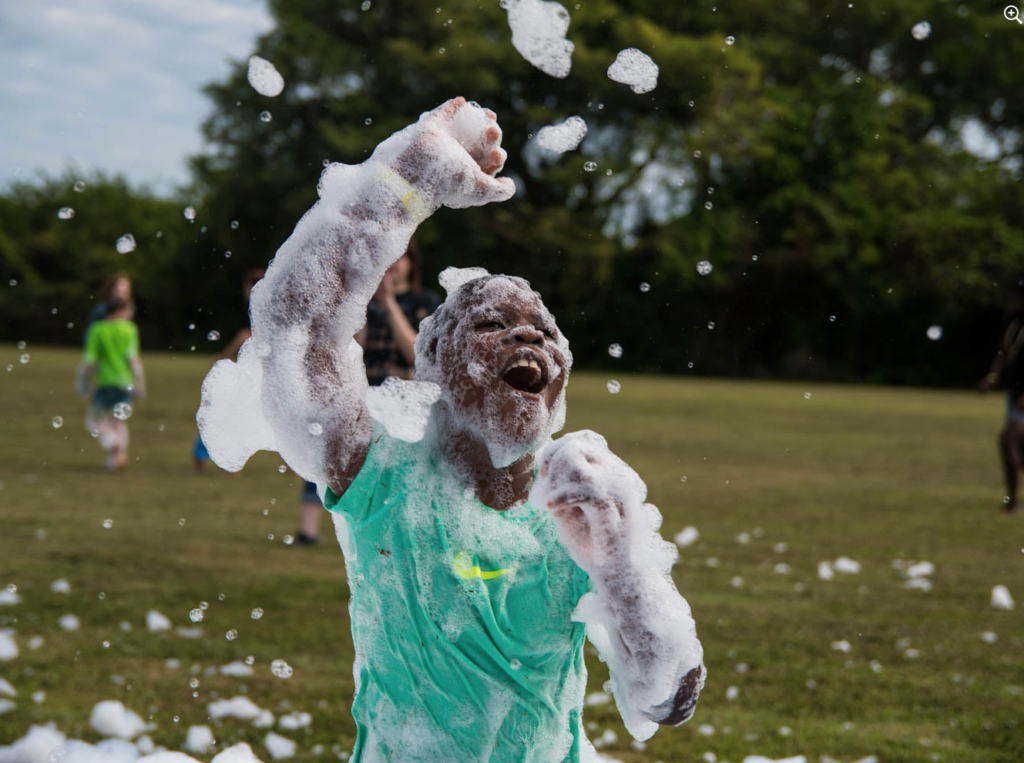
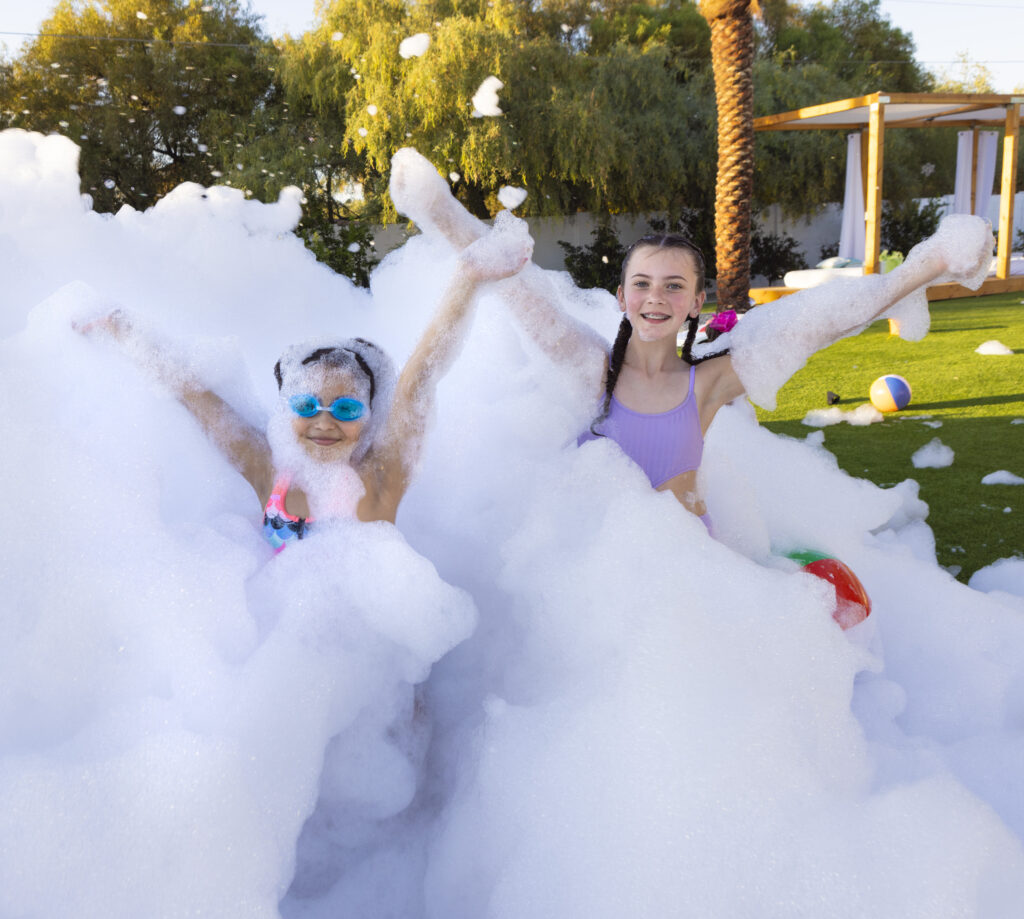
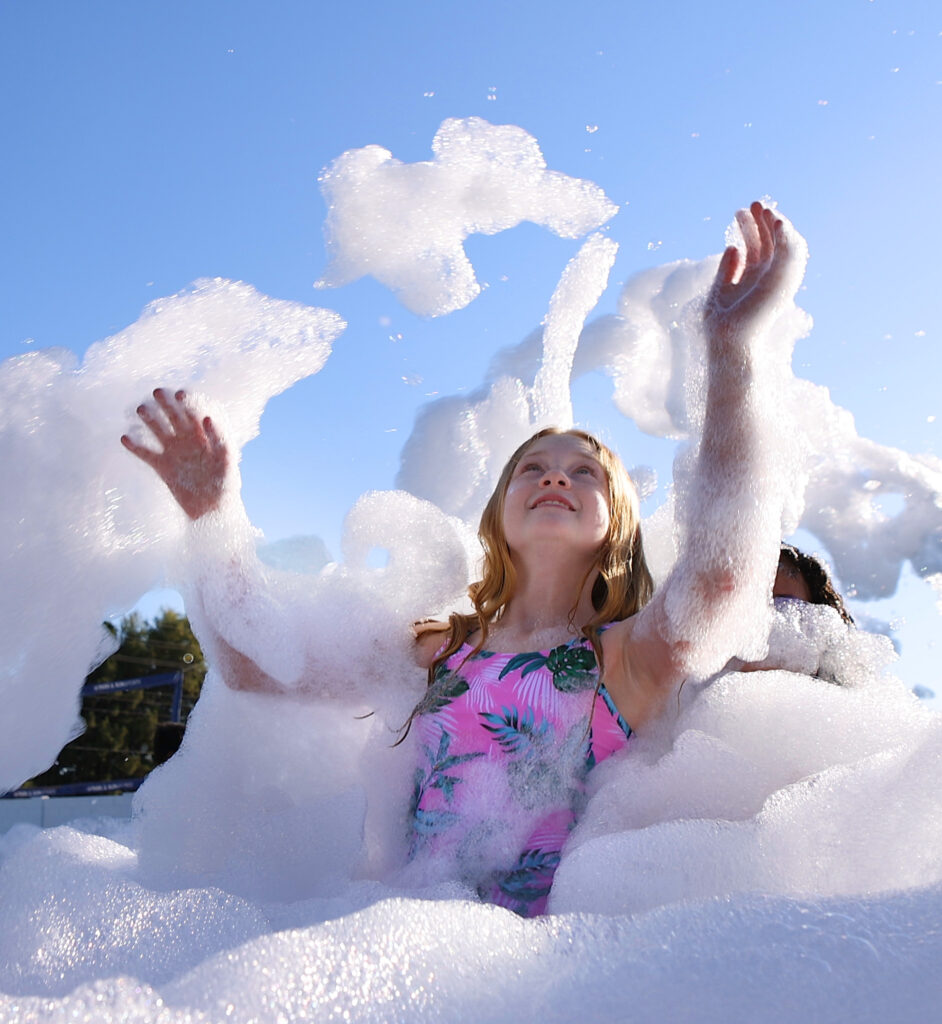
Foam parties and splash zones make some of the best memories of the whole summer. Kids laugh. Parents relax. The whole yard turns into a giant playground. But all that fun can flip in one second when someone slips on a hazard nobody checked for.
I’ve run foam parties across Western New York for years. Here’s the truth most people miss: slippery ground, foam you can’t see through, and excited kids running blind are a recipe for trouble. Most folks plan the fun and forget the safety. That’s a mistake.
Foam looks soft and harmless. But it hides bumps in the ground. It hides puddles. It turns a flat lawn into a slip zone. Splash play adds its own problems too, like standing water and a false sense of “it’s only a few inches deep, so it’s fine.”
Good news. These seven safety tips stop the most common foam and splash injuries before they happen. And they don’t kill the fun. They protect it. Use all seven, and the worst thing that happens all day is a kid getting a face full of bubbles.
1. Prep the Ground First
Get the ground right and you stop most accidents before they start. The dirt, grass, or concrete under the foam decides if your party stays fun or turns scary.
Your yard changes the second foam or water hits it. A tiny slope you never notice becomes a slide. A small dip becomes an ankle trap once foam covers it. So check everything while the ground is still bone dry.
Walk every inch of the play zone. Look for holes deeper than two inches. Flag any roots or rocks that stick up. Smooth out any steep drop. These steps feel like overkill until you watch a kid hit a hidden hole at full speed. Safe outdoor events for kids start with a boring, careful walk-through.
The surface itself matters more than you’d think:
- Grass grips well when wet, but turns to mud after lots of running feet.
- Concrete feels solid, but gets crazy slick the second soap hits it.
- Rubber mats or textured pool decks drain well and grip best, but they cost more.
Here’s what most people do: they pick a flat-looking spot and hope for the best. Here’s what actually works: they test that spot with a little water and foam during setup, then move things based on where water pools and where feet stay steady.
A few more ground rules:
- Clear out all trip hazards. Cords, decorations, fencing, all of it.
- Mark a clear line between the wet zone and the dry “watch from here” area.
- Put non-slip mats at every spot where people step from wet to dry.
- Send drainage away from the play area so water can’t pool up.
Standing water is its own danger. Even two inches hides what’s underneath and throws off how deep people think it is. The biggest mistake? Thinking shallow means safe. Shallow water on bumpy ground, with foam blocking your view, is more dangerous than a deep pool. At least in a pool, everyone knows the bottom is flat.
Set up your space like you’re planning for people who can’t see their own feet. Because once foam hits knee height, that’s exactly what’s going on.
2. Pick Foam by Safety Rating, Not Just Bubbles
The foam product you use changes both safety and health. Not all foam is the same. The cheap stuff often costs you more in the end.
Most foam suppliers brag about bubble size and how long the foam lasts. That stuff is nice for looks. But it tells you nothing about what happens when foam gets in a kid’s eyes, nose, or mouth. The chemistry behind foam runs from totally harmless to pretty rough, depending on what’s in the mix.
Food-grade and theatre-grade foam exists for one reason: cheap industrial foam can irritate skin and lungs. Safe foam might cost about 40% more. That cost vanishes the moment you skip even one rash or reaction.
Always ask for the product safety sheet before you buy. If a supplier won’t show you what’s in their foam, walk away. You need to know what’s touching your guests.
Look for foam that checks these boxes:
- Non-toxic and safe for skin contact.
- Safe if a little gets swallowed by accident.
- Biodegradable for outdoor use.
- Clear info on eye irritation and what to do if foam gets in eyes.
These four points tell you if a foam was made for people or just made for bubbles. (This is exactly why I run Foam Daddy equipment and skin-friendly solution at every party.)
The mix ratio matters just as much. More concentrate does not mean better foam. It means more chemicals and more slippery residue everywhere. Follow the maker’s mix directions exactly. Test a small batch first. Foam that seems fine in a bucket can turn a big concrete pad into an ice rink.
Quick win: Run a small test batch the day before. Have a few people walk through to check slipperiness and skin reaction.
Foam in the lungs can cause problems hours later. Kids with asthma can react slowly to foam they breathe in. Ask about breathing issues when people sign up. And always run foam zones outdoors in open air, never in a closed space where fumes build up.
3. Plan for Zero Visibility Inside the Foam
Foam blocks your view on purpose. That’s half the fun. It’s also the biggest safety challenge. Managing what kids can and can’t see keeps your party under control. This goes double for daycare outdoor activities, where the little ones are short and easy to lose in the bubbles.
The second foam hits chest height, people can’t see their feet, their friends, or what’s in front of them. That’s not a small thing. It changes how everyone moves. Some kids slow way down. Others get excited and run blind. Both need watching.
Foam height is your main control. Three feet of foam is a whole different world than six feet. Deep foam looks amazing in photos. But it turns your play zone into a maze where nobody can see a thing. Most pros cap foam at chest height for a reason. Go higher and you take away too much sight.
Set your foam machine to hold a steady depth, not just blast out max volume. This needs check-ins all day, since foam settles and shrinks as it ages.
Try these visibility helpers:
- Use bright or glowing wristbands so staff can track kids through the foam. (My glow-in-the-dark UV foam parties make this easy and fun at night.)
- Set up sound signals for start, stop, and emergency.
- Put staff inside the foam zone, not just watching from the edge.
- Keep clear, foam-free lanes open for quick exits.
Some kids love not being able to see. Others get scared fast. You need a quick way out for any kid who wants out now. That means staff close enough to spot a panic and guide them to a clear spot without fighting through the whole field.
Never assume every quiet kid is having fun. People panic quietly, especially when they can’t see. Train staff to spot a kid who freezes or moves in a strange way. That’s often a sign someone is lost or scared.
4. Set Footwear Rules Before Anyone Steps In
What’s on their feet changes everything about how kids handle wet, foamy ground. The wrong shoes turn every step into a slip.
The bare feet vs. shoes debate has strong fans on both sides. The right answer depends on your surface:
- Concrete, asphalt, or hard ground: closed-toe water shoes with grippy soles. These surfaces scrape bare feet and get slick fast.
- Grass or soft ground: bare feet often grip better, since shoes slide in mud. The exception is thin grass over hard dirt or rocks, where feet still need cover.
One rule for everyone: flip-flops and sandals are the worst choice. They have bad grip and they trip people up.
Set your shoe rule at the entrance, not after kids are already in the foam. Changing shoes while standing in bubbles is exactly how people fall. Set up a dry spot outside the wet zone with seating where kids can swap shoes.
Footwear rules that work:
- Ban flip-flops, sandals, and any backless shoes from the wet zone.
- Require water shoes for any running or fast play.
- Check shoes at the door and turn away bad ones.
- Keep a few spare water shoes in common sizes on hand.
Eye protection is bigger than most hosts think. Foam in the eyes stings at best and hurts at worst. Swim goggles keep foam out during face-level play. This matters most for kids, since they’re short and their faces sit right at foam level.
Yes, some parents push back on “rules” at a fun party. But a broken wrist ruins the mood way more than a pair of water shoes. Frame safety gear as the thing that keeps the fun going, not the thing that stops it.
5. Match Crowd Size to Your Watchers, Not Your Space
How many kids you let in at once decides if your staff can actually keep watch. Too many bodies in a small space creates crowding that no safety tip can fix.
Most events count heads by square footage. That math fails the second foam wipes out clear sight lines. Your real limit is how many kids your staff can watch and reach when things get hard to see.
My rule of thumb: one dedicated watcher for every 15 to 20 active kids in foam. And those watchers stand in the foam, not on the sidelines. Watching from outside doesn’t work when foam blocks the view. Your watchers need the same gear and a way to stand out even in thick bubbles.
This ratio gets stricter as the action heats up. Kids standing and splashing need less watching than kids running and playing games. Add running plus poor visibility and your risk jumps fast.
Smart staffing moves:
- Give watchers bright, numbered vests so kids can spot them.
- Spread watchers out to cover every zone, not all in one corner.
- Swap watcher shifts every 30 to 45 minutes so they stay sharp.
- Use sound or radio signals that cut through the noise.
Age matters more here than at a normal party. Kids under 12 need closer watching. They have less judgment and can’t see over foam that adults see through. Foam at an adult’s waist hits a small kid’s neck or face. If you’ve got mixed ages, set up separate zones at different foam depths.
Don’t count parents as part of your safety crew. Parents get distracted and lose track of their own kids in foam. Your real watchers can’t be guests with split attention. They need watching as their only job.
The most dangerous moment is when foam suddenly gets deeper while kids are already playing. They adjust to one depth, then it changes and they’re swimming in more than they expected. Keep your foam output steady so there are no surprise surges.
6. Place Medical Help by Speed, Not by Size
Where you put your medical help matters more than how much you have. When someone gets hurt, speed decides the outcome.
Most plans focus on what gear they have and how far the hospital is. Both matter. But what matters more is this: can you reach a hurt kid, check them, and start helping within three minutes? In a foam-filled yard, three minutes is tight.
Your first-aid spot needs a straight shot into the play zone. No fighting through crowds. That means staff and supplies at the edge of the splash zone, with clear, foam-free lanes in. If it takes 90 seconds just to reach a hurt kid, you’ve already lost control.
The most common foam and splash injuries are:
- Slips that cause sprains or breaks.
- Trouble breathing from inhaled foam.
- Skin or eye irritation from foam solution.
So stock for those, not a generic kit:
- Keep ice packs and wraps ready for sprains and falls.
- Put eye wash at every exit from the splash zone.
- Have a phone charged and ready to call for help.
- Keep a clear path open for a car or ambulance if needed.
Screen guests before they enter. A quick question or two about asthma, recent injuries, or swimming ability tells you a lot. A kid on medicine that causes dizziness shouldn’t be in a slick, low-visibility zone.
Run a quick drill with your staff before the party starts. Pretend a kid is hurt in the middle of the foam. Time how long it takes your team to reach them and get them out. If it takes more than five minutes, fix your layout or add staff.
Keep notes on every injury, even small ones. Three twisted ankles in the same spot tells you that spot has a hidden problem.
7. Watch the Weather
Outdoor water fun lives at the mercy of the weather. Conditions change the safety of your party faster than you can adjust your setup. This is a key part of outdoor event planning for schools, camps, and any big group event.
Decide your shut-down rules before the party starts. When 200 happy kids are playing and dark clouds roll in, the push to keep going is huge. Set your limits when there’s no pressure to bend them.
Lightning is a hard stop. No exceptions. The second you see lightning or hear thunder, clear the water and foam zones right away. Water and foam both carry electricity, and you’re running electric foam machines. Use the 30-minute rule: once you see lightning or hear thunder, everyone stays out of the wet zone until 30 minutes pass with no new lightning or thunder.
A few more weather limits:
- Wind over 20 mph blows foam out of your zone and into faces. Set a wind limit that pauses play.
- Heavy rain floods the ground, drops the temperature, and makes surfaces slicker. Light rain is fine. Steady rain that pools water or drops the temp below 65°F means it’s time to stop.
Smart weather habits:
- Check the forecast starting two days out, then every hour on party day.
- Keep a weather app with severe-weather alerts handy.
- Set a temperature floor for water play.
- Have a plan for how you’ll tell guests about delays.
Temperature tricks you. Wet kids in a breeze feel way colder than the air says. An 80°F sunny day can feel like 70°F once they’re soaked. Kids lose body heat faster than adults, so watch them closely.
Don’t forget sun. Kids stay in foam longer than they would at a dry event because the water keeps them cool while their skin keeps burning. Set up a shaded rest spot outside the wet zone. Push breaks during peak sun, from 11 a.m. to 3 p.m.
And think past the end time. If the party ends at 4 p.m. but it’s 60°F by 6 p.m., wet kids in light clothes get chilled on the way home. Set out towels and let everyone dry off and change before they leave.
The Bottom Line
Foam and splash parties give kids memories they’ll talk about all summer. But that only happens when the safety work stays invisible and solid. The best parties are the ones where nobody thinks about danger, because someone already thought through every “what if” before the first bubble.
These seven steps cover what separates a pro foam party from an accident waiting to happen. Use all of them, not just the easy ones. Safety is a team where every part backs up the others. A gap in one spot creates a fall that strength in another spot can’t catch.
Want the whole thing handled for you? That’s literally my job. I show up, set up, run the foam, and clean every last bubble so you get to relax and enjoy the party. Check out my full guide to plan outdoor events for more tips, or reach out anytime.
Get pricing — and grab the free report “The 3-Word Secret to Hosting the Best Outdoor Event Ever.”