


5 Safety Steps That Make Outdoor Kids' Events Fun and Worry-Free
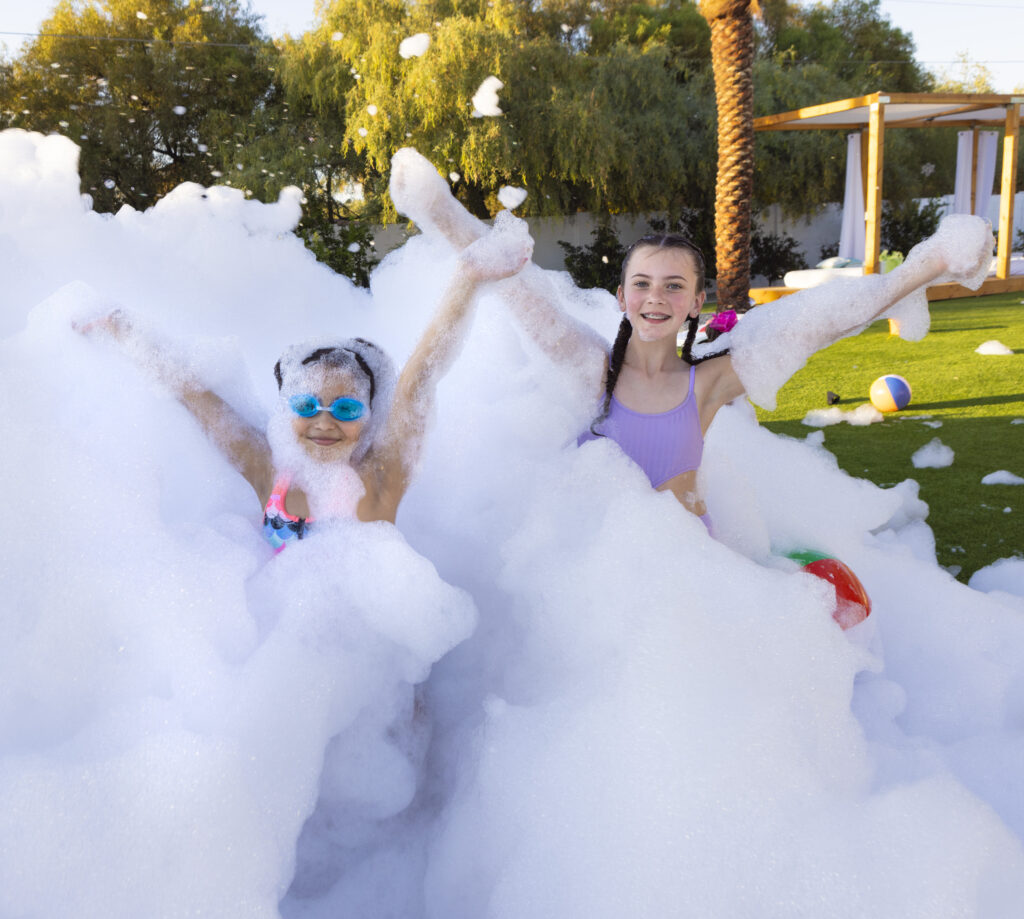
Your outdoor space can be the best part of the day or the thing that ruins it. The difference comes down to what you do in the hour before the kids show up.
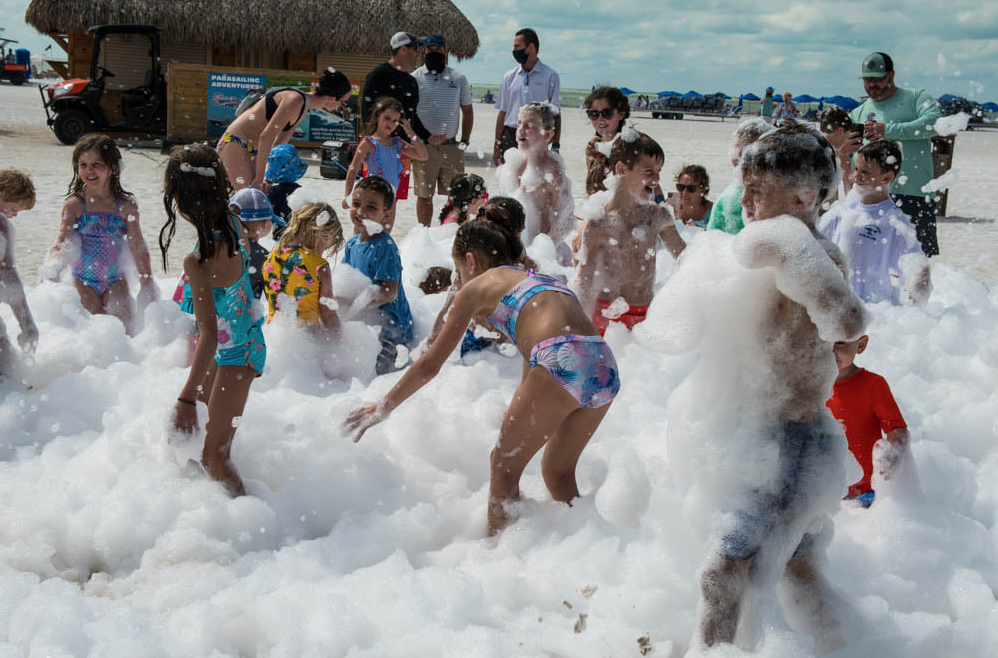
Anyone who plans events for kids knows outdoor time is gold. Fresh air, room to run, foam flying everywhere. But the gap between a fun space and a truly safe one is where most hosts trip up. Parents hand you their kids and trust you completely. One hazard nobody checked for can turn a great day into an injury, a bad review, or worse.
Here’s the good news. Safe outdoor events for kids don’t take more money or fancier gear. They take a sharp eye and a simple system. You just need to know the threats that hide in an outdoor space, then build protections that work whether you’re watching or not.
I’ve run foam parties all over and special events in Western New York for 20-plus years. This is the exact five-part check I walk through before any event. Follow it, and the worst thing that happens all day is a kid getting a face full of bubbles.
1. Start With the Ground for Safe Outdoor Events for Kids
The surface under your event decides how bad any fall will be. Get this right and you stop most accidents before they start.
Hard ground like concrete, asphalt, or packed dirt turns a small tumble into a big ouch. Wet grass turns to mud and then to a slide. So your first job is to learn the ground before the kids ever touch it. Walk every inch of the play zone while it’s still dry.
What to look for on your walk-through:
- Holes deeper than two inches that can trap a small foot.
- Roots, rocks, or sprinkler heads that stick up and trip runners.
- Steep little slopes that turn slick once water or foam hits them.
- Hard edges where kids cross from a soft surface to a hard one.
The surface type matters more than people think:
- Grass grips well and cushions falls, but turns to mud under lots of running feet.
- Concrete feels solid, but gets crazy slick the second soap or water lands on it.
- Mats or textured decking drain well and grip best, though they cost a bit more.
Mark a clear line between the wet “play here” zone and the dry “watch from here” zone. Put non-slip mats at every spot where kids step from wet to dry. Send drainage away from the action so water can’t pool. Standing water hides what’s underneath and fools everyone about how deep it really is. Even two inches over bumpy ground is more dangerous than it looks, because nobody can see the bottom.
Set up your space like you’re planning for people who can’t see their own feet. Once the fun gets going and foam climbs to knee height, that’s exactly what’s happening.
2. Check Every Piece of Gear Before the Kids Arrive
Every bit of equipment starts wearing down the moment you set it up. Weather, use, and time create failures that begin invisible and end dangerous.
Waiting until you spot a problem means you’ve already missed a dozen smaller warning signs. That’s why a quick, steady check beats a lucky guess every time. This is true for permanent playground gear and for the equipment a pro brings in for the day.
Your before-the-event check:
- Test handrails, tables, and any frame with firm pressure to catch loose parts.
- Scan platforms and steps for water, slick spots, or debris.
- Look for new cracks, splinters, rust, or sharp edges since last time.
- Make sure gates and fences close fully and latches catch without adult muscle.
- Clear out trash, sticks, or anything that drifted into the zone overnight.
For foam gear, the gear and the mix matter just as much. I run Foam Daddy equipment and skin-friendly solution for a reason. Cheap industrial foam can irritate skin and lungs, while food- and theatre-grade foam is built for people, not just for looks. Always ask a supplier for the product safety sheet. If they won’t show you what’s in the foam, walk away.
Fix or swap worn parts right away instead of watching them get worse. A replacement part costs almost nothing next to the price of a failure that hurts a kid. And here’s the part most hosts love about hiring a pro: I show up, set up, test the gear, run it, and clean every last bubble. You get to relax while the safety work happens in the background.
3. Split Kids by Age, Daycare Outdoor Activities Included
Mixing every age in one space creates crashes and mismatches that turn play into danger. A setup that challenges a five-year-old is either too wild or too boring for kids at other stages.
When toddlers share space with big kids, the size and speed gap makes accidents almost certain. Splitting kids up isn’t being overprotective. It’s respecting that a two-year-old and a nine-year-old move through the world in completely different ways. This matters most for daycare outdoor activities and camps, where one event covers a huge age range.
Build clear zones with simple boundaries:
- Toddlers (1 to 3): the lowest, gentlest setup. For foam, that means a shallow depth that sits at their knees, not their faces. They need constant eyes and a quick reach.
- Preschool (3 to 5): a little more action and room to roam. Their movements are unpredictable, so give them the most space per kid.
- School-age (5 and up): real fun and bigger challenges, with depth and speed they can handle.
Use fencing, cones, or a color change on the ground so kids self-sort without you herding them all day. Foam at an adult’s waist hits a small kid at the neck or face, so if you’ve got mixed ages, run separate zones at different foam depths. My glow-in-the-dark UV foam makes this easy at night too, since the bright wristbands and glowing foam help staff track kids through the bubbles.
Set your watcher count by age and risk, not just total head count. Five toddlers in a low zone need closer eyes than eight big kids in a tougher one. The price of one distracted moment is just higher with the little ones.
4. Walk the Whole Property for Hidden Dangers
The biggest threats to an outdoor event often sit outside the play area itself. Poison plants, standing water, animal paths, and weak fences create risks that no gear check will catch.
Your property line is your first line of defense. Any gap in it lets in trouble you can’t control once it’s inside the play space. So walk the whole yard, not just the spot where the fun happens.
Your perimeter check:
- Fences at least four feet tall with no footholds for climbing.
- Gate latches placed high and stiff enough that kids can’t work them.
- Plants trimmed back at least three feet from fences to cut hiding spots and bugs.
- Storm drains covered with grates kids can’t lift or fit through.
- Big trees checked for dead limbs that could drop into the play zone.
Pull out or rope off poison plants within 20 feet of the play area, even ones just past your fence. Kids don’t respect property lines, and berries on the far side of a chain-link fence are just as reachable. Watch for azaleas, holly berries, and certain ivy that range from a mild rash to real poisoning.
Kill every standing-water source too: decorative bowls, low spots that puddle after rain, and any container that collects water. Mosquitoes breed in as little as a spoonful, and the bugs they bring multiply faster than you can treat them. If your spot borders a pond or creek, double-check that fence and keep eyes on it all day.
A yard that’s secure today isn’t promised to be secure tomorrow. Weather, deliveries, and neighbors all poke new holes. A two-minute walk catches them before the kids do.
5. Let the Weather Make the Call: Outdoor Event Planning for Schools
Temperature and weather can flip your space from safe to risky in minutes. Metal gets hot, plastic gets brittle, and any wet surface turns into a slip zone. Smart outdoor event planning for schools, camps, and big groups means you decide your limits before the day, not in the moment.
When 200 happy kids are playing and dark clouds roll in, the push to keep going is huge. Set your shut-down rules when there’s zero pressure to bend them.
Lightning is a hard stop. No exceptions. The second you see a flash or hear thunder, clear the foam and water zones. Water and foam both carry electricity, and the machines are electric. Use the 30-minute rule: nobody back in the wet zone until 30 minutes pass with no new thunder or lightning.
A few more weather limits worth setting:
- Wind over 20 mph blows foam out of the zone and into faces. Pause when it kicks up.
- Heat over 95°F or cold below 65°F for water play. Wet kids in a breeze feel far colder than the air reads.
- Heavy rain that pools water or floods the ground means it’s time to stop. Light sprinkles are fine.
Check the forecast two days out, then every hour on event day. Mount or open a weather app with severe-weather alerts. Western New York weather loves a surprise, so trust your own eyes over the morning forecast.
Don’t forget the sun. Kids stay in foam longer than they would at a dry event, because the water keeps them cool while their skin keeps burning. Set up a shaded rest spot outside the wet zone, push breaks from 11 a.m. to 3 p.m., and have towels ready so nobody gets chilled on the way home.
The Bottom Line
A great outdoor event gives kids memories they’ll talk about all summer. But that only happens when the safety work stays quiet and solid in the background. The hosts with perfect records aren’t lucky. They’re systematic. They catch small problems early, and they never assume yesterday’s setup is fine today.
These five steps cover what separates a smooth, pro-level event from an accident waiting to happen. Use all five, not just the easy ones. Safety is a team where every part backs up the others, and a gap in one spot creates a fall the others can’t catch.
Want the whole thing handled for you? That’s literally my job. I show up, set up, run the foam, and clean every last bubble so you get to sit back and enjoy the party. Check out my full guide to plan outdoor events for more tips, or reach out anytime.
Get pricing — and grab the free report “The 3-Word Secret to Hosting the Best Outdoor Event Ever.”